
Salman khan biography
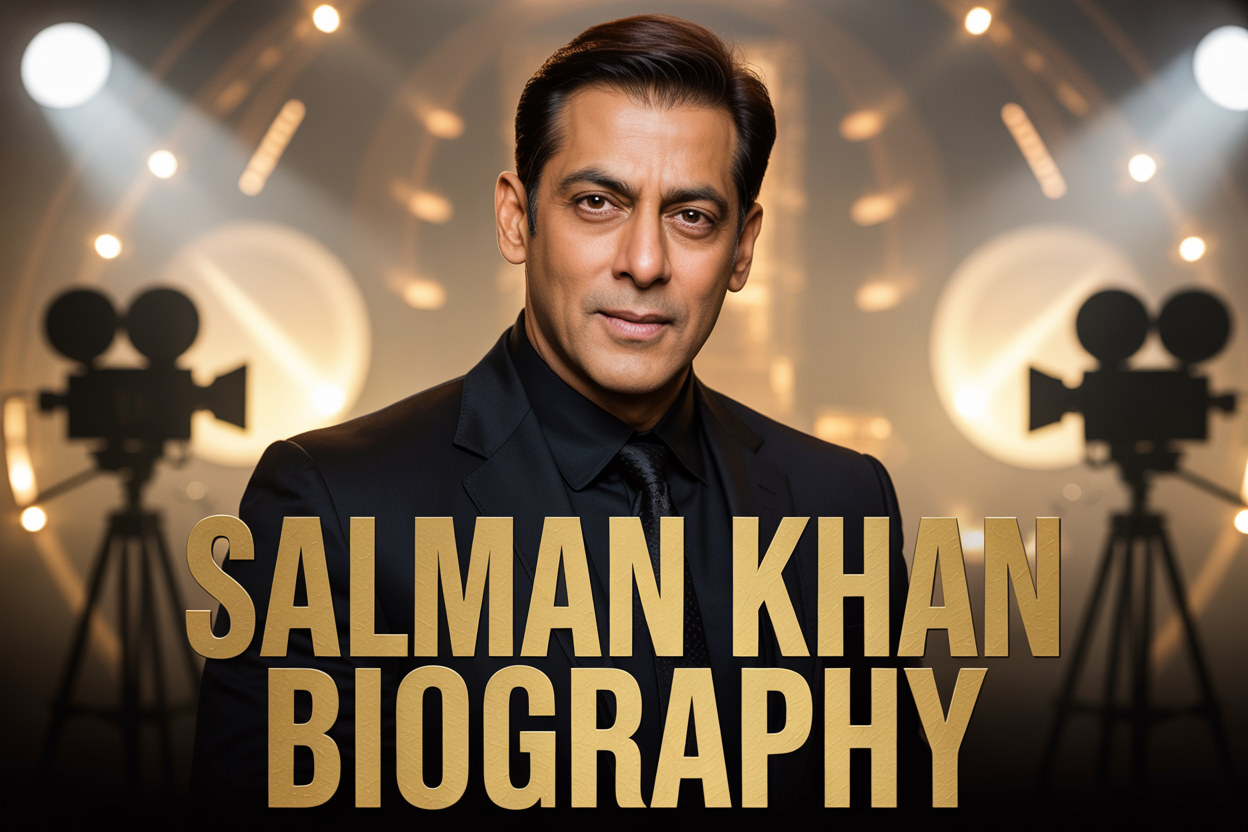
Salman Khan stands as one of Bollywood’s biggest superstars, captivating millions of fans worldwide with his charismatic screen presence and blockbuster films. This comprehensive Salman Khan biography is perfect for movie enthusiasts, Bollywood fans, and anyone curious about the life of this iconic actor who has dominated Indian cinema for over three decades.
We’ll explore his rise from a star kid to becoming the “Bhai” of Bollywood, tracing his early life and family connections that shaped his career path. You’ll discover how his Bollywood journey unfolded, from his debut to becoming one of the highest-paid actors in the industry. We’ll also dive into his personal relationships and the controversies that have made headlines throughout his career, giving you a complete picture of the man behind the superstar persona.
Early Life and Family Background
Birth and childhood in Indore
Abdul Rashid Salim Salman Khan was born on December 27, 1965, in Indore, Madhya Pradesh, to a family that would later become synonymous with Bollywood excellence. His early years in the heart of India were shaped by a rich cultural environment that blended traditional values with artistic aspirations. Growing up as the eldest of five children, Salman displayed a natural charisma and leadership quality that would later define his screen presence.
The Khan household in Indore was filled with creativity and intellectual discussions, as his father Salim Khan was already making waves in the film industry as a successful screenwriter. Young Salman’s childhood was marked by exposure to cinema, literature, and the arts, creating a foundation that would prove invaluable in his future career. His mother, Sushila Charak (later Salma Khan), provided the nurturing environment that balanced his father’s ambitious drive.
Family heritage and father Salim Khan’s influence
Salim Khan’s towering presence in the family cannot be overstated when discussing Salman’s formative influences. As one half of the legendary writing duo Salim-Javed, his father had already penned blockbusters like “Sholay,” “Deewaar,” and “Don” by the time Salman was coming of age. This exposure to high-quality storytelling and the inner workings of Bollywood provided Salman with insights that few actors possess from such an early age.
The Khan family lineage traces back to Afghanistan, bringing with it a proud heritage of warriors and storytellers. Salim Khan’s own journey from a struggling writer to one of India’s most celebrated screenwriters served as a masterclass in perseverance for young Salman. The family dinner table often buzzed with conversations about scripts, character development, and the nuances of filmmaking, giving Salman an education that no acting school could provide.
Salim Khan’s influence extended beyond professional guidance. His principles of hard work, integrity, and staying grounded despite success became core values that Salman would carry throughout his life. The respect and fear that Salim Khan commanded in the industry also provided Salman with early lessons about maintaining dignity while navigating the complex world of show business.
Education and formative years
Salman’s educational journey began at St. Stanislaus High School in Bandra, Mumbai, after the family relocated from Indore. Known for his athletic prowess and natural leadership abilities, he was an active participant in sports, particularly swimming and cycling. His teachers often described him as a student who possessed street smarts rather than academic brilliance, showing more interest in physical activities and creative pursuits than traditional subjects.
At St. Xavier’s College in Mumbai, Salman pursued a Bachelor of Arts degree but found himself increasingly drawn to the world outside textbooks. His college years were marked by a growing interest in fitness and bodybuilding, which would later become one of his defining characteristics as an actor. He also developed his passion for painting during this period, a hobby that remains close to his heart even today.
The formative years also saw Salman developing his distinctive personality traits – his generosity, quick temper, and fierce loyalty to friends and family. Stories from his college days often highlight his willingness to stand up for underdogs and his natural ability to command attention in any room he entered.
Move to Mumbai and early struggles
The transition from Indore to Mumbai marked a significant shift in Salman’s life trajectory. While his father’s established position in the film industry provided certain advantages, Salman was determined to carve his own path rather than rely solely on family connections. The bustling metropolis of Mumbai, with its dreams and disappointments, became the backdrop for his transformation from a star kid to a future superstar.
His early struggles were not financial hardships in the traditional sense, but rather the challenge of establishing his own identity separate from his father’s towering reputation. Salman spent considerable time understanding the business side of filmmaking, often accompanying his father to script readings and film sets. These experiences taught him the importance of punctuality, professionalism, and the collaborative nature of filmmaking.
The young Khan also faced the typical challenges that come with growing up in the spotlight. Paparazzi attention, constant scrutiny of his choices, and the pressure to live up to family expectations were constant companions during his teenage years. However, these experiences also toughened his resolve and prepared him for the intense public scrutiny that would define his later career.
During this period, Salman also began building the network of relationships that would prove crucial in his career. His natural charm and genuine interest in people helped him form lasting friendships within the industry, many of which continue to influence his professional choices today.
Bollywood Career Journey
Debut with Maine Pyar Kiya breakthrough
Salman Khan’s entry into Bollywood wasn’t exactly conventional. Born into a family already connected to the film industry through his screenwriter father Salim Khan, he initially had no burning desire to become an actor. His journey began almost by accident when filmmaker Sooraj Barjatya spotted him and offered him the lead role in “Maine Pyar Kiya” (1989).
The film became a cultural phenomenon that redefined romance in Hindi cinema. Playing Prem, the innocent and devoted lover, Salman captured hearts across India with his boy-next-door charm. His chemistry with co-star Bhagyashree was electric, and songs like “Kabootar Ja Ja Ja” became instant classics. The movie’s success wasn’t just commercial – it earned over ₹20 crores at the box office, making it one of the highest-grossing films of that era.
What made his debut special was how naturally he embodied the character. Unlike many newcomers who struggle with dialogue delivery or screen presence, Salman displayed an innate understanding of the camera. His innocent smile, expressive eyes, and effortless dialogue delivery made audiences believe in his character completely. The film established him as the quintessential romantic hero and set the template for many of his future roles.
Rise to stardom in the 1990s
The 1990s marked Salman’s transformation from a promising newcomer to a bonafide superstar. After “Maine Pyar Kiya,” he carefully chose roles that showcased different facets of his personality. “Saajan” (1991) paired him with Madhuri Dixit and Sanjay Dutt in a love triangle that had audiences glued to their seats.
His collaboration with Sooraj Barjatya continued with “Hum Aapke Hain Koun..!” (1994), which became a milestone in Indian cinema. The film wasn’t just a movie; it was a celebration that brought families together in theaters. Playing Prem once again, Salman perfected the art of being the ideal son, brother, and lover. The film ran for over a year in many theaters and collected more than ₹100 crores worldwide.
| Year | Film | Box Office Status | Character Type |
|---|---|---|---|
| 1991 | Saajan | Hit | Romantic Hero |
| 1994 | Hum Aapke Hain Koun | Blockbuster | Family Man |
| 1995 | Karan Arjun | Hit | Action Hero |
| 1997 | Judwaa | Hit | Comedy/Romance |
“Karan Arjun” (1995) showcased his versatility as he shared screen space with Shah Rukh Khan in this reincarnation drama. The film proved he could handle action sequences with equal finesse. His comic timing shone through in “Andaz Apna Apna” (1994) and “Judwaa” (1997), establishing him as a complete entertainer.
Career setbacks and comeback strategies
The early 2000s brought unexpected challenges for Salman. Films like “Yeh Hai Jalwa” (2002) and “Stumped” (2003) failed to connect with audiences. His personal life controversies began overshadowing his professional achievements, and critics questioned whether his career was on a downward spiral.
The period between 2002-2008 was particularly difficult. While he had occasional hits like “No Entry” (2005), his overall strike rate declined significantly. Many industry insiders wrote him off as a fading star. His choice of scripts seemed random, and his performances appeared mechanical compared to his earlier energetic portrayals.
Salman’s comeback strategy was brilliant in its simplicity. He returned to what worked best – family entertainers and action films with emotional cores. “Wanted” (2009) marked his resurrection as the action hero. Directed by Prabhu Deva, the film reminded audiences why they fell in love with Salman in the first place. His dialogue delivery of “Swagat nahi karoge hamara?” became iconic.
The success formula was clear: larger-than-life characters, whistle-worthy dialogues, and stories that celebrated the common man’s triumph over evil. He stopped trying to reinvent himself and embraced what his fans loved most about him.
Evolution as an action hero and romantic lead
Salman’s evolution from the chocolate boy of the ’90s to the action superstar of the 2010s showcases his adaptability. While he never completely abandoned romance, he learned to blend it seamlessly with high-octane action sequences. Films like “Dabangg” (2010) created the template for modern Salman Khan cinema.
His action hero persona isn’t about complex stunts or dark, gritty narratives. Instead, he created a unique brand of commercial action cinema where the hero remains fundamentally good-hearted despite his tough exterior. Chulbul Pandey from “Dabangg” exemplifies this perfectly – a cop who bends rules but never breaks his moral compass.
As a romantic lead, Salman matured beautifully. His later romantic scenes in films like “Sultan” (2016) showed depth and emotional maturity that his younger self couldn’t have delivered. He learned to use his age and experience to his advantage, playing characters who are romantic without being juvenile.
His ability to connect with audiences across generations remains unmatched. Whether playing the protective older brother in “Bajrangi Bhaijaan” (2015) or the aging wrestler in “Sultan,” he brings authenticity to roles that could easily become caricatures in less capable hands. This evolution from teen heartthrob to seasoned performer demonstrates his understanding of both cinema and his audience.
Iconic Movies and Box Office Success

Blockbuster films that defined his career
Salman Khan’s journey to superstardom began with “Maine Pyar Kiya” (1989), which turned him into the nation’s sweetheart overnight. This romantic drama established the template for many of his future hits – the boy-next-door charm mixed with genuine emotional depth.
The 1990s saw him deliver consecutive hits like “Hum Aapke Hain Koun..!” (1994), which became a cultural phenomenon and redefined family entertainment in Bollywood. “Karan Arjun” (1995) showcased his action prowess alongside Shah Rukh Khan, while “Hum Dil De Chuke Sanam” (1999) proved his versatility as a romantic hero.
The 2000s marked his transformation into an action superstar. “Wanted” (2009) revitalized his career after a brief lull, followed by the explosive “Dabangg” franchise that created the iconic character of Chulbul Pandey. “Ek Tha Tiger” (2012) and “Tiger Zinda Hai” (2017) established him as the king of spy thrillers.
Recent blockbusters like “Sultan” (2016), “Bajrangi Bhaijaan” (2015), and “Tiger 3” (2023) have maintained his box office dominance across different decades, proving his adaptability to changing audience preferences.
Record-breaking collections and industry milestones
Salman Khan has consistently shattered box office records throughout his career. “Hum Aapke Hain Koun..!” collected over ₹100 crores worldwide when such numbers were unheard of in the 1990s. The film ran for over a year in many theaters, setting new benchmarks for theatrical success.
His films regularly cross the ₹300 crore mark globally. “Bajrangi Bhaijaan” earned ₹626 crores worldwide, while “Sultan” collected ₹623 crores. The “Tiger” franchise has generated over ₹1000 crores collectively, making it one of the most successful action franchises in Indian cinema.
| Film | Year | Worldwide Collection |
|---|---|---|
| Bajrangi Bhaijaan | 2015 | ₹626 crores |
| Sultan | 2016 | ₹623 crores |
| Tiger Zinda Hai | 2017 | ₹565 crores |
| Dabangg | 2010 | ₹219 crores |
| Ek Tha Tiger | 2012 | ₹320 crores |
His Eid releases have become a guaranteed festival for audiences, with almost every Eid release since 2009 becoming a major hit. This consistent track record has made him the most bankable star for distributors and exhibitors.
Memorable characters and dialogues
Chulbul Pandey from “Dabangg” remains Salman’s most iconic character creation. The corrupt but loveable cop with his signature mustache, aviators, and belt buckle became an instant cultural icon. His dialogue “Swagat nahi karoge humara?” became a nationwide catchphrase.
The innocent Pavan from “Bajrangi Bhaijaan” showed his range as an actor, playing a devoted Hanuman devotee helping a lost Pakistani girl. His portrayal earned critical acclaim and proved his ability to handle sensitive social themes.
Tiger from the spy franchise brought a new dimension to his action hero image, combining patriotism with high-octane stunts. The character’s dedication to country and love created a perfect balance for mass appeal.
Most quotable dialogues:
- “Ek baar jo maine commitment kar di, uske baad toh main apne aap ki bhi nahi sunta” – Wanted
- “Jab tak Hindustan mein cinema hai, log first day first show dekhte rahenge” – a real-life philosophy
- “Swagat nahi karoge humara?” – Dabangg
- “Being Human” – became his life philosophy and brand
Collaborations with top directors and co-stars
Salman’s collaborations with Sooraj Barjatya created some of Bollywood’s most beloved family dramas. Their partnership produced “Maine Pyar Kiya,” “Hum Aapke Hain Koun..!” and “Hum Saath-Saath Hain,” establishing new standards for wholesome entertainment.
His work with Sanjay Leela Bhansali in “Khamoshi” and “Hum Dil De Chuke Sanam” revealed his dramatic capabilities. These films showcased his ability to excel in artistic, content-driven cinema alongside commercial blockbusters.
The collaboration with Ali Abbas Zafar gave birth to the modern action hero avatar in “Sultan” and “Tiger Zinda Hai.” Their partnership created some of the most technically advanced action sequences in Indian cinema.
Key Director Partnerships:
- Sooraj Barjatya: Family dramas and romantic films
- Kabir Khan: “Ek Tha Tiger,” “Bajrangi Bhaijaan”
- Ali Abbas Zafar: “Sultan,” “Tiger Zinda Hai”
- Prabhu Deva: “Wanted,” “Dabangg 3”
His on-screen chemistry with leading ladies like Madhuri Dixit, Aishwarya Rai, Kareena Kapoor, and Katrina Kaif has produced some of Bollywood’s most memorable romantic pairings. The Salman-Katrina combination particularly became a favorite among audiences, delivering multiple hits together.
Personal Life and Relationships
High-profile romantic relationships
Salman Khan’s love life has been a constant subject of media fascination and public scrutiny for decades. His most talked-about relationship was with actress Aishwarya Rai in the late 1990s and early 2000s. The couple’s romance was highly publicized, but their breakup was equally dramatic, with reports of possessive behavior and public confrontations that made headlines for months.
Before Aishwarya, Salman shared a significant relationship with actress Sangeeta Bijlani, whom he was reportedly engaged to marry. However, the engagement was called off, and Sangeeta later married cricketer Mohammad Azharuddin.
Another notable relationship was with Katrina Kaif, which lasted several years and was one of Bollywood’s most followed romances. Despite their on-screen chemistry in multiple films, the relationship eventually ended, though both actors have maintained professional ties and mutual respect.
Salman has also been linked with several other actresses including Somy Ali, Sneha Ullal, and Lulia Vantur, a Romanian actress and model who has been frequently seen with him at family gatherings and public events in recent years.
Bachelor lifestyle and marriage speculation
At 58, Salman Khan remains one of Bollywood’s most eligible bachelors, a status that has become part of his public persona. His decision to stay unmarried has sparked countless debates and speculation over the years. The actor has often stated in interviews that he believes in the institution of marriage but hasn’t found the right person at the right time.
His bachelor status has become a running joke in his films and public appearances. Fans regularly question him about marriage plans during events, and he responds with his characteristic wit and humor. The media continuously speculates about potential brides, often linking him with his co-stars or anyone spotted with him frequently.
Salman has mentioned that he wanted to get married earlier in life but circumstances didn’t align. He’s also expressed concerns about the impact of his unpredictable career and lifestyle on a potential spouse and children. His close friends and family members have often tried to convince him to settle down, but he maintains that marriage should happen naturally rather than being forced.
Close family bonds with siblings
Family remains central to Salman Khan’s life, with his siblings playing crucial roles both personally and professionally. His brothers, Arbaaz and Sohail Khan, are both accomplished actors and filmmakers who frequently collaborate with Salman on various projects. The trio has produced several successful films together under their production banners.
Arbaaz Khan has directed Salman in films like “Dabangg” and has been instrumental in shaping some of Salman’s most successful characters. Sohail Khan, besides acting, has directed and produced multiple films starring his elder brother. Their professional partnerships have strengthened their personal bonds over the years.
Salman’s relationship with his sister Alvira Khan Agnihotri is particularly special. She’s married to actor-director Atul Agnihotri and has been involved in costume designing for several of Salman’s films. Alvira often accompanies Salman to events and is considered his closest confidante.
His adopted sister Arpita Khan holds an equally important place in his heart. Salman played a significant role in her upbringing and was deeply involved in her wedding celebrations. He shares a protective relationship with both his sisters and is known to be very particular about their well-being.
The Khan family frequently vacations together, celebrates festivals jointly, and maintains a united front during challenging times. Their Galaxy Apartments residence in Bandra has become synonymous with the Khan family’s togetherness, where all siblings live in close proximity to their parents.
Controversies and Legal Challenges

Court cases and legal battles
Salman Khan’s legal troubles began in earnest with the 1998 blackbuck poaching case, where he was accused of hunting protected blackbuck deer during the filming of “Hum Saath-Saath Hain” in Rajasthan. The case dragged on for nearly two decades, with multiple hearings, appeals, and sentences. In 2018, he received a five-year prison sentence but was granted bail pending appeal.
The 2002 hit-and-run case became another major legal challenge that shadowed his career for over a decade. Khan was accused of driving under the influence and running over people sleeping on a Mumbai pavement, killing one person and injuring several others. The case went through numerous twists, witness testimonies, and legal arguments before he was acquitted in 2015 when the court ruled there was insufficient evidence to prove he was driving.
His legal battles also included cases related to illegal arms possession connected to the poaching incident, and various defamation suits. The actor has faced multiple arrest warrants, court appearances, and bail applications throughout his career. Each case required significant legal resources and constant media attention, with proceedings often delayed due to his film shooting schedules and various procedural matters.
Media scrutiny and public perception
The media coverage of Khan’s legal issues created a polarizing public image that persists today. News channels and publications extensively covered every court hearing, creating a narrative that often overshadowed his professional achievements. Social media amplified public debates about celebrity privilege and justice, with hashtags and online campaigns both supporting and criticizing him.
His fan base remained largely loyal despite the controversies, often viewing him as being unfairly targeted. Many supporters argued that his charitable work through Being Human Foundation demonstrated his true character. However, critics questioned whether his celebrity status influenced legal proceedings and whether justice was being served equally.
The constant media attention transformed routine court appearances into major news events, with crowds gathering outside courtrooms and extensive live coverage. This scrutiny affected not just Khan but also his family members, co-stars, and business associates who found themselves answering questions about his legal troubles during unrelated interviews and events.
Impact on career and personal reputation
Despite the legal challenges, Khan’s box office appeal remained largely intact, with several of his films during this period becoming major commercial successes. However, some brand endorsements were affected, with certain companies distancing themselves during particularly intense legal proceedings. Film producers had to consider potential shooting disruptions due to court dates and possible imprisonment.
His personal relationships faced strain, with some industry colleagues maintaining distance during peak controversy periods. The stress of prolonged legal battles reportedly affected his health and personal life, though he rarely spoke publicly about these impacts. Family members, particularly his parents, faced constant media questions and public scrutiny about his cases.
The controversies also influenced his public appearances and promotional activities. Press conferences and interviews often focused more on legal matters than his films, forcing him to repeatedly address the same questions. This dynamic created a complex public persona where his entertainment value competed with his controversial image, ultimately defining much of his public narrative beyond his cinematic achievements.
Philanthropy and Social Work
Being Human Foundation Initiatives
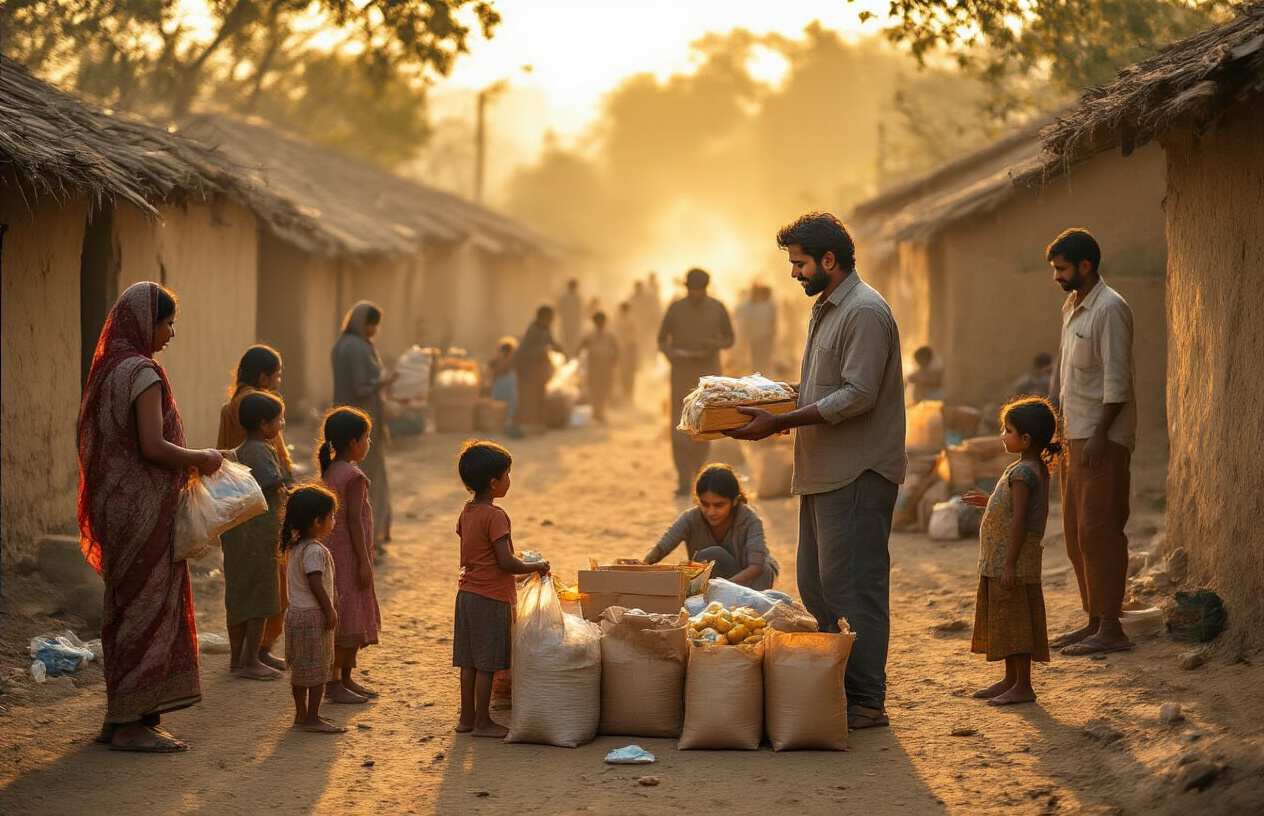
Salman Khan established the Being Human Foundation in 2007, creating one of Bollywood’s most recognizable charitable organizations. The foundation operates on two primary fronts: education and healthcare for underprivileged communities across India. Through Being Human, Khan has built hospitals, schools, and vocational training centers that directly impact thousands of lives annually.
The foundation’s flagship project includes the Being Human Hospital in Bhopal, which provides free medical treatment to economically disadvantaged patients. This 200-bed facility specializes in cardiac care, cancer treatment, and general medicine. Beyond infrastructure, the foundation runs mobile medical units that reach remote villages, offering basic healthcare services and conducting health awareness camps.
Being Human’s education initiatives focus on providing quality schooling in rural areas where educational resources remain scarce. The foundation has constructed multiple schools equipped with modern facilities, trained teachers, and scholarship programs for meritorious students from poor families. Their vocational training programs teach practical skills like tailoring, computer literacy, and small business management to help people become self-reliant.
Support for Underprivileged Communities
Khan’s commitment to helping disadvantaged communities extends far beyond his foundation’s formal programs. During natural disasters, he consistently provides immediate relief through food distribution, temporary shelter, and financial aid. His response during the 2020 pandemic exemplified this approach when he arranged food supplies for migrant workers and daily wage earners who lost their livelihoods during lockdowns.
The actor regularly visits orphanages, old-age homes, and rehabilitation centers, spending time with residents and understanding their needs. These personal interactions often lead to long-term support arrangements where he covers medical expenses, education costs, or facility improvements. His team maintains direct relationships with numerous NGOs across the country, enabling quick mobilization of resources during emergencies.
Rural development remains a key focus area, with Khan supporting water conservation projects, solar power installations, and agricultural training programs. His initiatives have helped several villages become self-sufficient in water supply and electricity generation. The actor also sponsors sports facilities in underserved areas, believing that recreational activities play a vital role in community development and youth engagement.
Educational and Healthcare Contributions
Beyond Being Human’s institutional efforts, Khan personally funds educational opportunities for hundreds of students each year. His scholarship programs cover not just tuition fees but also accommodation, books, and living expenses for students pursuing higher education. Many beneficiaries have gone on to become doctors, engineers, and teachers, creating a multiplier effect in their communities.
His healthcare contributions span preventive care, treatment, and awareness campaigns. Khan has funded numerous medical procedures for children with congenital heart diseases and sponsored cancer treatments for patients who couldn’t afford them. He regularly organizes health check-up camps in collaboration with leading hospitals, ensuring early detection and treatment of diseases in rural populations.
The actor’s support for healthcare infrastructure includes donating medical equipment, ambulances, and diagnostic machines to government hospitals. His contributions to COVID-19 relief efforts included funding oxygen concentrators, hospital beds, and vaccination drives. Khan also promotes health awareness through his social media platforms, encouraging his massive fan following to adopt healthy lifestyles and participate in government health programs.
Business Ventures and Brand Value
Production company and film investments
Salman Khan stepped into the producer’s chair with Salman Khan Films (SKF), which he launched in 2011. His production house has been behind several successful ventures, with “Bajrangi Bhaijaan” being one of the most notable successes, earning over ₹900 crores worldwide. The company has consistently focused on family-friendly entertainers that align with Khan’s screen persona.
SKF has also ventured into regional cinema and digital content, expanding beyond traditional Bollywood productions. Khan’s keen eye for commercial viability has made his production house a significant player in the industry, often collaborating with major studios for distribution and marketing.
Endorsement deals and commercial success
Khan commands one of the highest endorsement fees in Bollywood, reportedly earning ₹7-10 crores per brand association. His portfolio includes major brands like Suzuki motorcycles, Thums Up, and Wheel detergent, spanning across automobiles, beverages, and consumer goods.
His brand value stems from his massive fan following across demographics and geographic boundaries. Advertising agencies particularly value his appeal in tier-2 and tier-3 cities, where his influence drives significant consumer behavior. Khan’s endorsement deals often include multi-year contracts with performance bonuses based on sales targets.
Television hosting and reality show presence
“Bigg Boss” has become synonymous with Salman Khan’s television career. Hosting the show since 2010, he reportedly earns ₹31-35 crores per season, making him one of the highest-paid television hosts globally. His weekend segments, known as “Weekend Ka Vaar,” consistently deliver the highest TRP ratings for the show.
Khan has also hosted various award shows and special episodes, commanding premium rates for his appearances. His television presence extends his reach beyond cinema, tapping into the vast Indian television audience and creating additional revenue streams.
Fitness and lifestyle brand expansion
Being Human, Khan’s lifestyle brand launched in 2012, operates across clothing, accessories, and home décor. The brand donates its profits to the Being Human Foundation, creating a unique business model that combines commerce with philanthropy.
The brand has over 100 stores across India and international markets, generating substantial revenue while supporting various charitable causes. Khan has also ventured into fitness-related products and services, leveraging his well-maintained physique and fitness regime to appeal to health-conscious consumers.
Salman Khan’s journey from a young man with Bollywood dreams to becoming one of India’s biggest superstars shows just how far talent and determination can take you. From his breakthrough roles in the 90s to creating blockbuster hits that define modern Bollywood, he’s proven that staying power in the film industry comes from connecting with audiences across generations. His massive box office success, combined with his generous philanthropy through Being Human and other charitable work, has made him more than just an actor – he’s become a cultural icon who uses his fame for good causes.
Despite facing personal controversies and legal battles that could have ended other careers, Salman has shown remarkable resilience and the ability to bounce back stronger. His business ventures and brand endorsements have made him one of the highest-paid celebrities in India, proving that diversification pays off. For aspiring actors and entrepreneurs alike, Salman’s story teaches us that success isn’t just about avoiding mistakes – it’s about learning from them, staying committed to your craft, and never forgetting to give back to society once you’ve made it to the top.